
 IND:
IND:  UK:
UK:  US:
US:  AUS:
AUS: 


In the competitive world of healthcare, your website is the first point of contact for many potential patients. An engaging, functional, and easy-to-navigate website is essential for converting visitors into loyal patients. However, many healthcare practices make common medical website design mistakes that reduce their chances of turning visitors into booked appointments. If your conversion rates are lower than you’d like, it’s time to reassess your website.
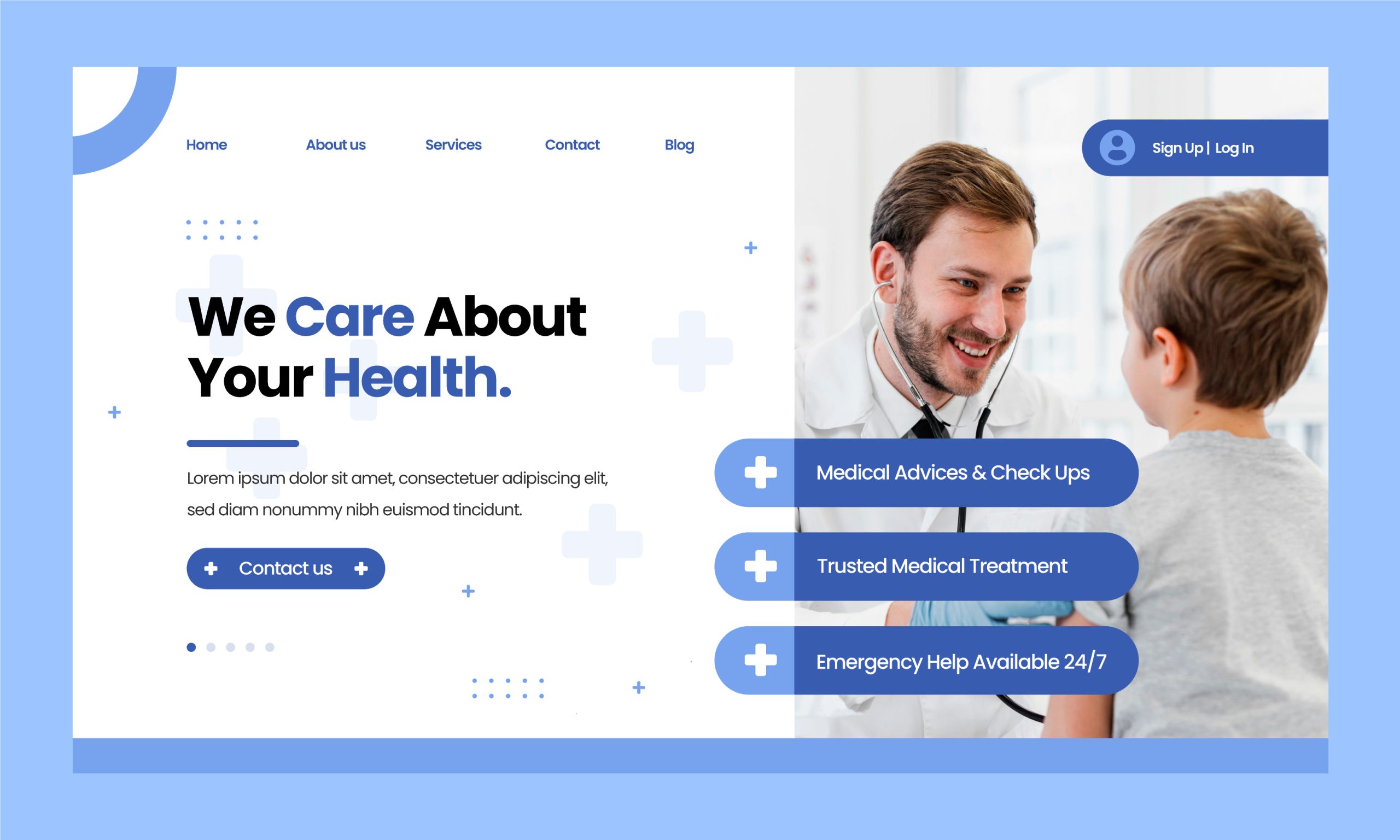
In this article, we’ll highlight some of the most common medical website design mistakes that could be hindering your ability to attract and retain patients, as well as share solutions to help you enhance your website’s performance.
1. Outdated or Unprofessional Design
A website’s design plays a huge role in how your practice is perceived. If your website is outdated, cluttered, or lacks professional polish, potential patients may be hesitant to trust you with their healthcare needs.
Solution: Upgrade Your Medical Website Design
Your website should have a modern, clean, and professional look that instills trust and credibility. Focus on a user-friendly layout, high-quality images, and consistent branding. The right medical website design should enhance the user experience while making it easy for visitors to navigate through the website. Ensure that the design is visually appealing yet functional, reflecting the professionalism and trustworthiness of your practice.
2. Lack of Clear Calls to Action (CTAs)
If your website doesn’t clearly guide visitors on what to do next, you’re missing out on valuable conversion opportunities. Visitors should immediately know how to book an appointment, contact your practice, or learn more about the services you provide.
Solution: Implement Strong CTAs
A website without clear CTAs is like a road without signs — your visitors will get lost and may leave without taking any action. Whether it’s “Book an Appointment,” “Call Us Now,” or “Schedule a Consultation,” make sure your CTAs are prominent, compelling, and placed strategically on every page. With well-positioned calls to action, your website will not only inform but also drive conversions.
3. Not Optimised for Mobile Devices
With more people accessing websites via smartphones, having a mobile-friendly website is no longer optional. If your website isn’t mobile-responsive, visitors will have a poor experience, leading to high bounce rates and fewer conversions.
Solution: Focus on Mobile-First Medical Website Design
Make your website responsive, ensuring it works seamlessly on both desktop and mobile devices. A medical website design that adapts to different screen sizes will provide an optimal browsing experience for visitors. This is essential for patient retention, as many people now expect to be able to book appointments on their phones. Mobile optimisation not only improves user experience but also plays a role in improving your site’s medical SEO rankings.

4. Slow Website Load Times
Slow load times can have a significant impact on user experience. Patients are busy, and they won’t wait around for a website to load. If your site takes too long to display, chances are they’ll leave before even seeing your services.
Solution: Optimise Speed for Better Conversion
Page load speed is a critical factor for both user experience and medical SEO rankings. Compress images, optimise your code, and consider using a Content Delivery Network (CDN) to ensure fast load times. A faster website not only keeps potential patients engaged but also boosts your credibility, ensuring a higher conversion rate.
5. Overwhelming Information
It’s important to provide relevant and informative content, but too much information on a single page can overwhelm visitors. When patients are seeking medical advice or appointments, they want the information they need quickly and without distractions.
Solution: Simplify and Prioritise Key Information
Organise your content into easy-to-read sections, with clear headings and concise explanations. Keep text blocks short and highlight the most important details, such as services, location, and how to contact or book an appointment. Consider using a FAQ section to answer common queries quickly. When you simplify the user experience, patients will be more likely to stay on your website and convert.
6. Missing Trust-Building Elements
Trust is the cornerstone of any medical practice. Without trust, patients won’t feel confident in booking an appointment. If your website lacks trust-building elements, such as patient reviews, testimonials, or certifications, potential patients may choose a competitor instead.
Solution: Add Trust-Building Features
Incorporate testimonials, reviews, certifications, and industry awards prominently on your website. Patient reviews are a powerful tool to build credibility. If you don’t have them yet, now’s the time to ask happy patients for feedback. Trust badges from trusted medical organisations, along with detailed bios of your team, can also help reassure visitors about the quality of care they’ll receive. Building trust is a vital part of dental marketing and medical SEO strategies.
7. Unclear Contact Information
When patients want to reach out, they shouldn’t have to search for your contact information. If your phone number or contact form is hard to find, they may give up and look elsewhere.
Solution: Make Contact Information Visible
Ensure that your contact information is easy to find on every page of your website. Ideally, it should be displayed in the header or footer so that it’s always accessible. Consider adding a “Contact Us” button that takes visitors to a simple form or provides your phone number with a click-to-call option. The easier it is for patients to reach you, the more likely they are to convert.
8. Failure to Optimise for Search Engines
Even the best medical website design won’t help if potential patients can’t find your website. Without proper medical SEO, your website could be buried on the second or third page of search results, where most users don’t bother to look.
Solution: Prioritise Medical SEO for Visibility
Optimising your website for search engines is crucial to attracting new patients. Use relevant keywords like “best dentist in [location]” or “emergency medical services near me.” Make sure your website’s structure, meta tags, and content are all optimised for SEO. Integrating medical SEO best practices will increase your visibility in search engine results and make it easier for patients to find your practice online.
9. No Online Appointment Scheduling
In today’s digital world, patients expect to be able to book appointments online. If your website doesn’t offer this feature, you’re missing out on an easy way to increase patient conversions.
Solution: Implement an Online Booking System
Adding an online appointment booking system to your website makes it easier for patients to schedule appointments at their convenience. This improves the overall user experience and increases conversion rates. An online scheduling tool is also more convenient than calling during business hours, providing a seamless experience for potential patients.
10. Ignoring Analytics and Data
Many practices fail to utilise website analytics, which means they miss out on valuable insights that can help improve conversion rates. Without tracking user behavior, it’s hard to know where your website is succeeding or where it needs improvement.
Solution: Use Analytics to Track and Improve Performance
Set up Google Analytics or another analytics tool to track important data, such as page visits, bounce rates, and conversion rates. This will allow you to see which pages are performing well and which areas need attention. With this data, you can make informed decisions on how to tweak your website for better performance and higher conversions.
Conclusion: Optimise Your Medical Website for Higher Conversions
Your medical website is a crucial part of your practice’s marketing strategy. By avoiding common medical website design mistakes and implementing the solutions we’ve discussed, you can significantly improve your website’s performance and boost conversions. Remember, medical SEO and dental marketing efforts should be ongoing to ensure your practice remains visible and competitive in the online healthcare space.
Start optimising your website today, and watch as your online presence improves, bringing in more patients and growing your practice.
 Reviews
