
 IND:
IND:  UK:
UK:  US:
US:  AUS:
AUS: 


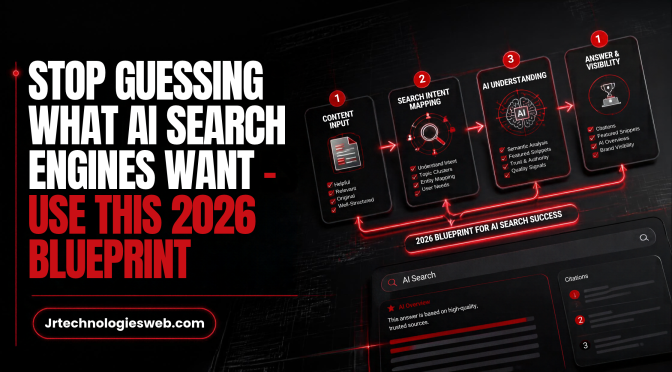
Search today is no longer about ranking pages; it is about being understood instantly. AI systems now interpret meaning, context, and intent in real time before deciding what deserves visibility.
In this evolving environment, AI SEO services are becoming essential because they help content align with how modern search engines actually read and evaluate information. They also reduce the gap between what is written and what search engines understand at scale.
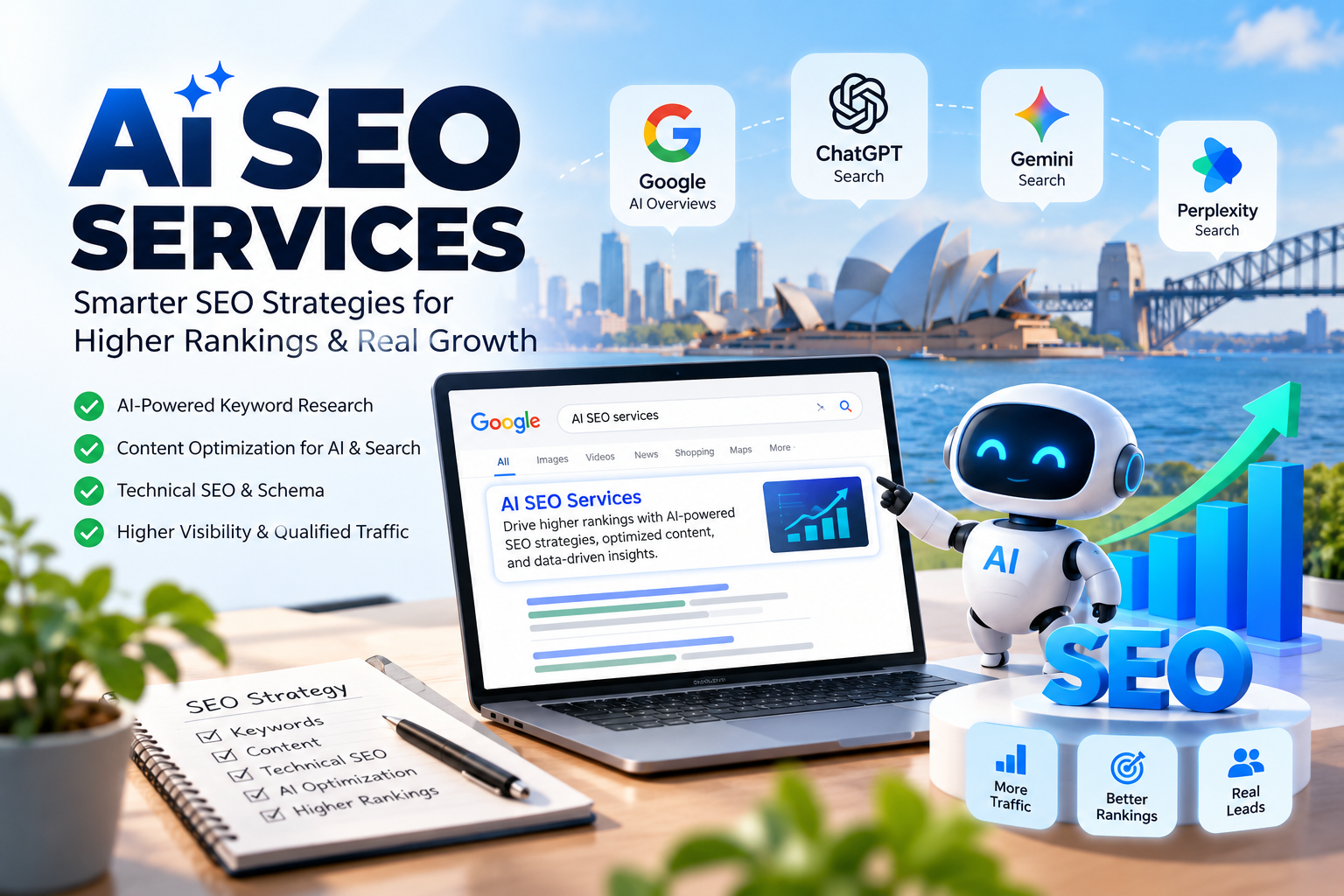
Instead of chasing outdated ranking tricks, success now depends on clarity, structure, and semantic depth.
The real question is no longer “How do I rank?” It is “How do I become the best answer?”
Why Search Engines Think Differently Now
AI-driven search engines don’t just scan keywords anymore. They interpret relationships between ideas, topics, and intent signals.
Content is assessed based on:
- Relevance to user intent
- Depth of topic coverage
- Entity relationships across content
- Trust and consistency signals
This shift is why AI-powered SEO has become central to modern optimisation approaches. It focuses on understanding how search systems interpret meaning rather than relying on surface-level ranking tactics. It also helps reduce content misalignment across different search environments.
The result is a more intelligent search experience where content must earn visibility through depth and relevance.
How Ranking Decisions Are Actually Made
Search engines in 2026 operate more like reasoning systems than indexers.
They evaluate:
- Whether content fully answers the query
- How well the topic is explained
- Whether supporting concepts are included
- How consistent the information is across the page
In this environment, guesswork fails quickly.
Modern strategies like AI for SEO help bridge the gap between human writing and machine interpretation by aligning content structure with how AI systems process information. This ensures content remains readable and context-aware across evolving search systems.
The Blueprint for Staying Visible in 2026
1. Start With Intent, Not Keywords
Every piece of content should begin by answering what the user actually wants to know. This ensures the message aligns with real search behaviour rather than assumptions. It also improves how search systems classify relevance early in processing.
JR further enhance this alignment by structuring intent signals more effectively across pages.
2. Build Topic Depth Naturally
Cover related ideas within the same content so AI systems recognise authority. This helps search engines connect your page with broader topic clusters. It also strengthens semantic reach across multiple query variations.
Adding depth consistently increases the likelihood of being referenced in generative responses.
3. Use Structured Clarity
Short paragraphs, direct answers, and clean formatting improve machine readability. This makes it easier for systems to extract meaning without confusion. Well-structured content also performs better in voice and AI-generated summaries.
Clarity becomes a ranking advantage rather than just a writing preference. AI-powered SEO plays a key role in refining this structure for better interpretability.
4. Strengthen Context Signals
Link ideas logically so search systems understand relationships between concepts. This helps build stronger topical associations across your content. It also improves how AI systems group and surface information in response generation.
Context clarity ensures your content is not interpreted in isolation. AI for SEO enhances this process by improving how contextual relationships are mapped across content ecosystems.
Writing for Generative Search Systems
Modern search engines do more than list results; they generate answers.
To appear in these responses, content must:
- Provide direct, factual explanations
- Avoid vague or filler-heavy writing
- Maintain consistent topic focus
- Deliver value within the first few lines
Generative systems prioritise clarity and completeness over keyword repetition.
The Role of Trust in Search Visibility
Trust is now a measurable ranking factor in AI systems.
It is influenced by:
- Accuracy of information
- Depth of explanation
- Consistency across topics
- Clear and structured presentation
Without trust signals, even well-written content struggles to surface in AI-generated results.
What Most Content Misses Today
Many pages still focus on old optimisation habits such as keyword density or isolated ranking tactics.
However, modern search prefers AI-powered SEO and:
- Semantic understanding over repetition
- Context over isolated terms
- Structured reasoning over scattered information
This is why adapting early matters more than ever.
Final Thoughts
Search is evolving into a system of meaning, not matching.
Those who adapt to structured, intent-focused content creation will stay visible across AI-driven discovery systems, while outdated methods will continue to lose relevance. The future belongs to clarity, context, and intelligent optimisation.
Staying consistent with high-quality, well-structured content will strengthen long-term visibility across evolving search environments. Those who prioritise user understanding over shortcuts will continue to build lasting digital presence.
JR Technologies Web Pvt Ltd delivers result-focused AI SEO services designed to improve search visibility through smarter, intent-driven optimisation strategies.
FAQs
1. What are AI SEO services and how do they work?
AI SEO services improve visibility by aligning content with how AI search engines interpret meaning and intent across topics. They also support better content structuring for long-term search relevance.
2. Why is search optimisation changing so quickly?
AI-powered SEO now evaluate content dynamically, adjusting rankings based on relevance, clarity, and user intent signals. This shift has made search far more responsive to behavioural patterns.
3. How does AI understand what content is about?
Through entity recognition, contextual mapping, and topic relationships enabled by AI for SEO methodologies. This allows systems to interpret meaning beyond surface-level keywords.
4. Is keyword usage still important?
Yes, but only as part of a broader context strategy, not as a standalone ranking factor. Search engines now prioritise meaning over repetition.
5. What type of content performs best in AI search?
Content that is structured, intent-driven, and explains topics clearly with depth and relevance. Such content is easier for AI systems to interpret and summarise accurately.
6. How can businesses prepare for AI-driven search?
By focusing on structured writing, topical authority, and clarity in explanations. Consistent publishing and information accuracy also play a key role.
7. Why is intent so important in modern SEO?
Because AI systems prioritise what users mean, not just what they type. This improves the accuracy of search results and content matching.
8. Do backlinks still matter?
Yes, but they now support authority rather than directly controlling rankings. They function more as trust indicators within broader ranking systems.
9. What is the biggest mistake in modern SEO?
Creating content that targets algorithms instead of answering real user needs. This often leads to poor engagement and reduced visibility over time.
10. Will AI replace traditional search engines completely?
No, but it will significantly reshape how search results are generated and delivered. The experience will become more conversational and context-aware.
 Reviews
